The Orange Wine Guide
What is
Orange Wine?
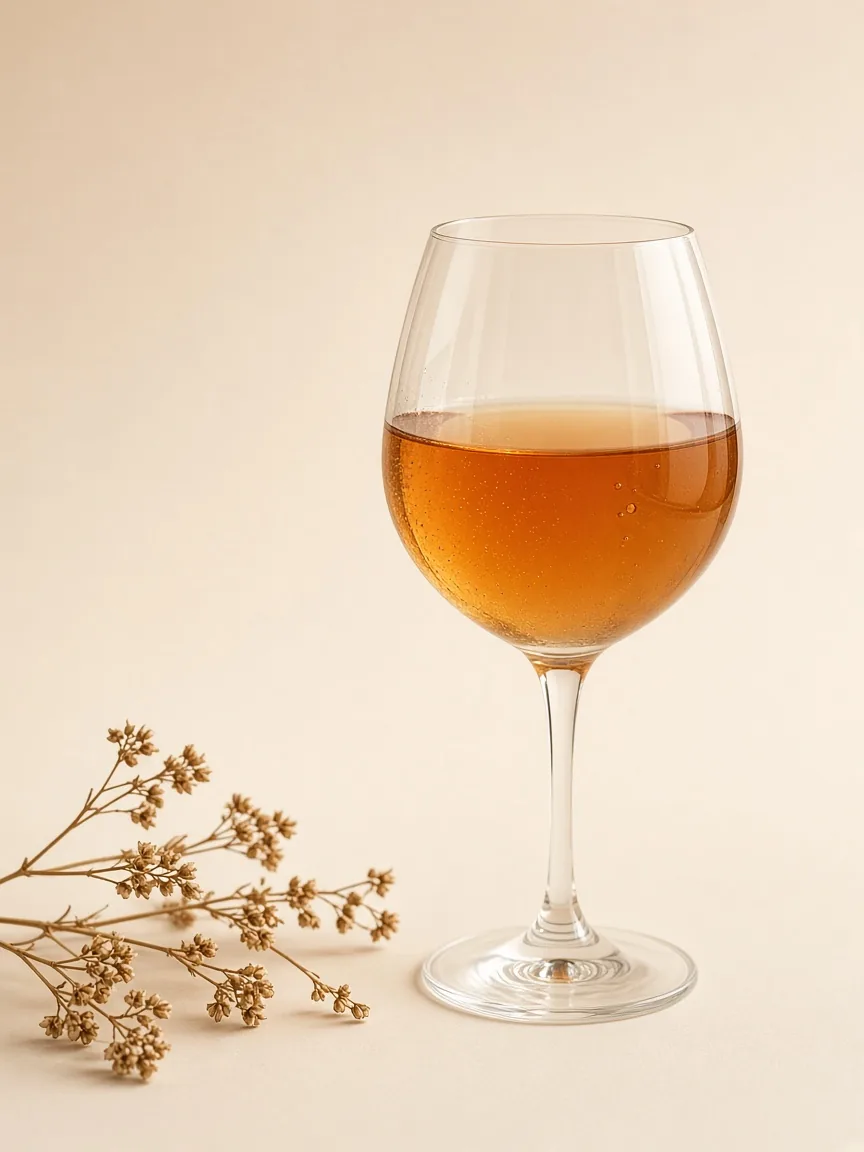
Orange wine is white wine made with skin contact. The grape skins stay in during fermentation and aging, giving the wine its color, texture, and personality.
The skin-contact process
1. Harvest
Whole white grapes are picked.
2. Skin contact
Skins, seeds, and stems stay in contact with the juice for days to months.
3. Press & age
Skins are removed. The wine is aged and bottled.
Taste notes
- TeaFloral, herbal, and aromatic like a brewed tea.
- ApricotStone fruit, honeyed notes, and warm depth.
- TanninFine, grippy texture from the grape skins.
Made different. Tastes original.
Updated October 2026
A color, not a grape
There is no orange grape behind the name. Winemakers start with white varieties, then leave the juice with the skins for hours, days, or months. Red wine is made that way as a rule. White wine usually is not. Orange wine is the middle path, and the color is the clue.
You will also see it called skin-contact wine or amber wine. Those names point at the same family. Ramato is a narrower Italian word, usually for copper-colored Pinot Grigio. None of them mean the wine is sweet.
What it tastes like
Expect the fruit of the white grape, plus something from the skins: citrus peel, dried apricot, tea, almond, herbs, or a light bitterness. The texture is the part people notice first. It can feel wider and drier than a pale white, with a soft chew on the finish.
A few days of skin contact stays close to white wine, only deeper. Months on the skins, especially in clay, can taste like strong tea and walnut. That range is why a single definition helps less than tasting two styles. The style guide maps them.
Three myths that get in the way
Skin contact is not the same thing as oxidation. Some amber wines are made with air and taste nutty. Many are protected from air and taste fresh. Cloudy does not mean natural, and clear does not mean ordinary. Natural wine is a farming and cellar philosophy. Orange is a color that comes from a method.
It is also not rosé. Rosé is usually red grapes with a short time on the skins. Orange wine is white grapes with skin contact. If a label says orange and the wine is pink from red grapes, you are looking at a different style.
Questions people ask
What is orange wine?
Orange wine is wine from white grapes that fermented or soaked with the skins. The skins give it a gold, copper, or amber color and a little tannin.
Is orange wine the same as skin-contact wine?
In everyday use, yes. Skin-contact wine is the clearer technical name. Orange and amber describe the color you see in the glass. See how skin contact works.
Does orange wine always taste funky?
No. Some bottles are cloudy and wild. Plenty are clean, dry, and simply more textured than a pale white. If you want an easy first glass, start with Lunella Orange.